Heat pumps, insulation upgrades, and smart thermostats explained in plain language. No engineering degree required.
Picture this: you have decided to renovate, and suddenly every contractor is quoting a different system, every website uses a different set of acronyms, and you are not sure what question to even ask first. That is exactly the situation Yukipe was built for.
This resource focuses on three areas that tend to have the biggest impact on how comfortable and affordable a home is to run: heating and cooling systems, how well the building envelope holds temperature, and the controls that tie it all together.
See who this is for
Each area connects to the others. Understanding how they interact helps you make decisions that hold up over time.
A heat pump moves warmth rather than creating it. In winter it draws heat from outdoor air and brings it inside. In summer the process reverses. The result is heating and cooling from a single system, running on electricity rather than combustion.
Read more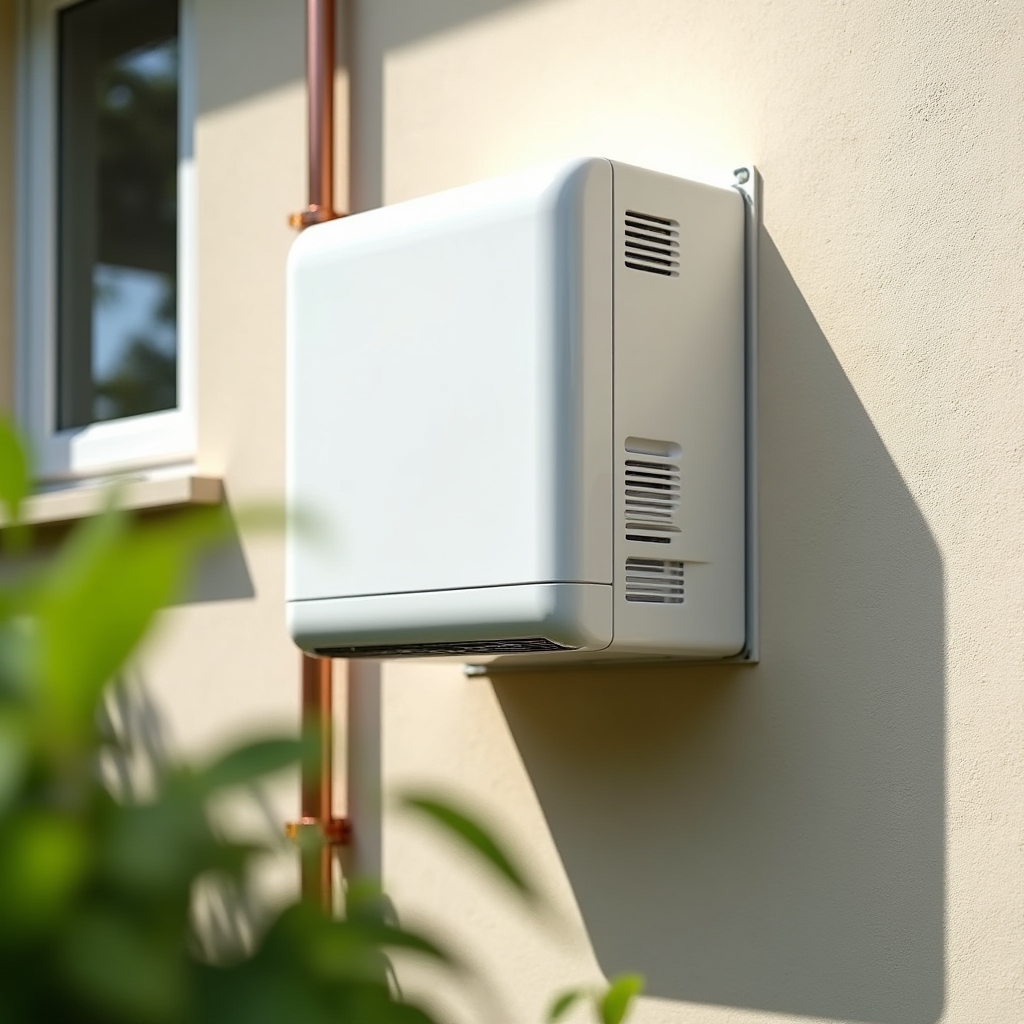
Before any heating or cooling system can work well, the building envelope needs to hold temperature. Insulation is not glamorous, but it is often the highest-leverage change a homeowner can make.
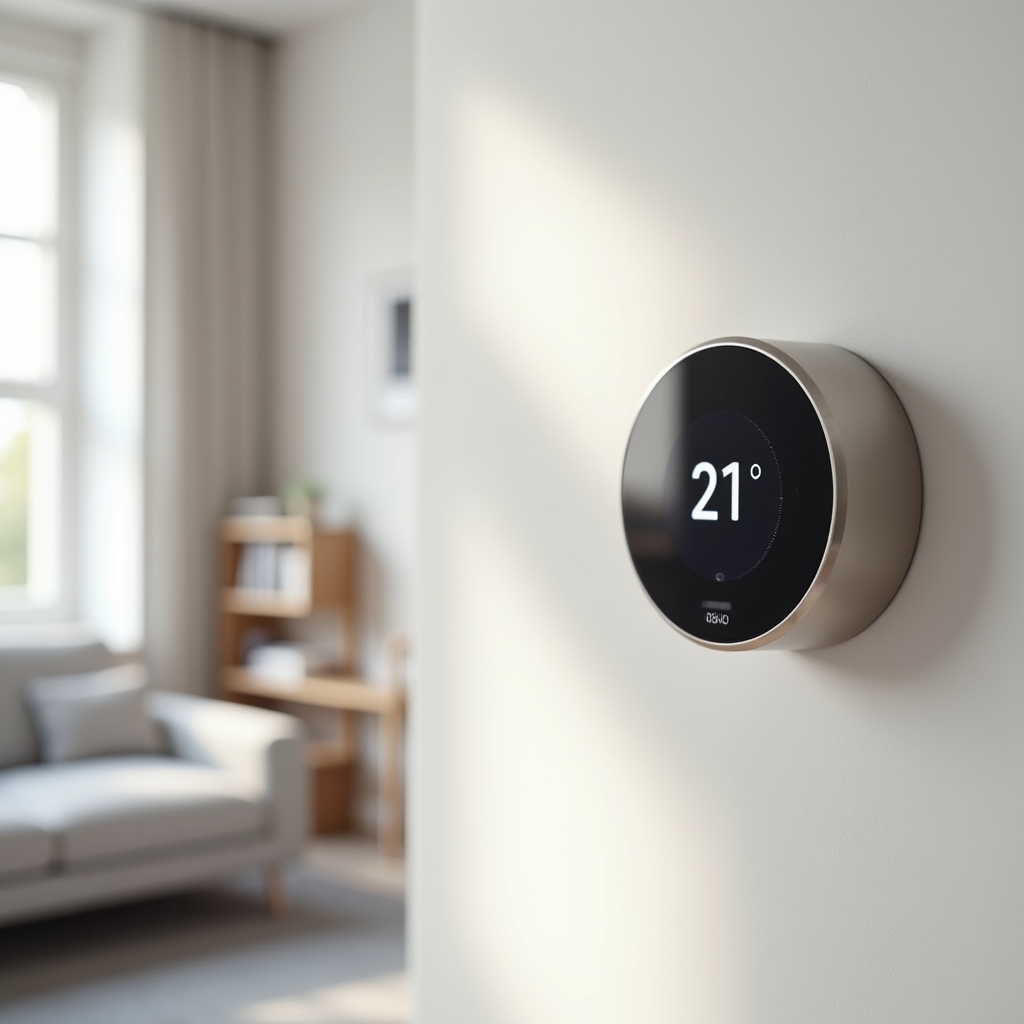
Read moreA smart thermostat learns your schedule, adjusts to outdoor conditions, and lets you make changes remotely. The technology is mature and the installation is usually straightforward.
Read moreHeating and cooling account for the largest share of household energy use in most Central European homes. Small improvements compound over time.
Start with the Renovation Guide. Each section explains how a technology works before discussing what to look for when choosing one.
The cost estimator tool on the Tools page gives a rough sense of scale for different upgrade scenarios based on your home's size and current setup.
Use the questions and checklists in the guide to prepare for conversations with contractors. Knowing what to ask changes the dynamic considerably.
If something in the guide is unclear or your situation does not fit the standard scenarios, the contact page is there for exactly that.
Technical concepts translated into descriptions that make sense without a background in engineering or construction.
Side-by-side looks at different system types, installation approaches, and upgrade sequences so you can see the trade-offs clearly.
Specific, practical questions organized by topic. Useful before you invite anyone to quote, and during the quoting process itself.
Advice on which upgrades to tackle first, and why the order of operations matters more than most homeowners expect when they start planning.
Rough ranges and the factors that move costs up or down, without pretending that a single number applies to every home and situation.

Most renovation planning starts with the heating system. What boiler should I replace? Should I get a heat pump? These are valid questions, but they are often asked before a more fundamental one: how much heat is the building losing in the first place?
A heat pump sized for a poorly insulated house will run constantly and still leave cold spots. The same pump in a well-insulated house runs quietly and efficiently. The insulation decision shapes everything that comes after it.
Read about insulationThis tool gives indicative ranges based on home size and upgrade type. It is not a quote. It is a starting point for understanding what to expect.
Fill in the form and click the button to see an indicative cost range. All figures are approximate and vary significantly based on local conditions, existing infrastructure, and contractor pricing.
Older thermostats require you to set a schedule and remember to adjust it when your routine changes. A smart thermostat observes patterns over time and adjusts automatically. Some models also respond to outdoor temperature forecasts, pre-heating or pre-cooling before conditions change.
The technology works best when paired with a well-sized heating or cooling system. Adding smart controls to an undersized or oversized system helps at the margins but does not fix the underlying fit problem.
Thermostat guide